Sunday, March 17, 2013

PA Ecology VII

    I like to use different distributions of Linux on my computer, especially Ubuntu. The different releases are named after animals, and one of the more recent ones was Precise Pangolin. Pangolins are also known as scaly anteaters, due to the extremely hard plates that armor their bodies. They live in southern Africa as well as across the Indian subcontinent and southeast Asia. Their Latin genus is Manis, and there are eight species that exist today, each with their own little adaptations. Pangolin comes from the Malay word for 'something that rolls up,' pengguling.
    Pangolins are the only mammal to have a plated armor system. The individual plates are made of keratin and shift over one another when the pangolin is moving. When they feel threatened  they roll up into a ball with the scales overlapping to form a protective sphere. The scales are so hard that not even a lion can bite through the plates. Pangolin species range from thirty to one hundred centimeters in length, with the females being slightly smaller than the males. They are called scaly anteaters because of how they feed. They have no teeth, so they use their extremely long prehensile tongue to pull ants out of anthills for food. Some pangolins can extend their tongues up to forty centimeters, snaking it through the ground in search of food.
    Pangolins in Africa give birth to one young at a time, several times per year. Whereas the Asiatic pangolins give birth at the same rate, but between one and three young at a time. Several species of pangolins live in hollowed out trees, but most live in underground burrows depending on what their prey are. Pangolins are mostly nocturnal, doing their hunting at night, and during the day staying curled up in a ball to sleep. Fun fact, pangolins are very good swimmers.
    Pangolins are a threatened mammal, with most Asiatic species facing large amounts of poaching. Many Asian cultures believe the scales have healing properties, with the meat also curing cancer and other diseases. As well as hunting, deforestation has greatly reduced their habitat, resulting in many species already having gone extinct.
     Pangolins are one of the most interesting animals on planet earth, but sadly due to superstition and industrialization they are beginning to disappear. Within my life there will be a time when many species are gone from the earth, and sadly the pangolin will most likely be one of them.

Sources:


Sunday, March 3, 2013

PA Ecology VI


One of the most dangerous animals in Pennsylvania is probably the Eastern Coyote. Canis latrans var is one of twenty subspecies of coyote, who in total live across nearly entire North and Central America. The Eastern Coyote lives throughout most of northeastern Pennsylvania and up through New England. While I have never seen a coyote in the wild, i know I do not want to. They are big enough to cause me, and certainly my dogs, some distress, and what's worse is that they hunt in packs. If they're hungry I'd be done for!

The Eastern Coyote is roughly the size of a small-medium dog. They weigh between thirty and forty-five pounds, and are usually between four and five feet long including the tail, which itself is about a foot in length. They are believed to mate for life with a single partner in order to form their packs, and raise their pups together. One couple will usually have a litter per year for life, with each litter consisting of between five and seven pups, depending on how many resources are available. Pups are usually born in April and leave by October to find and form their own mates and packs.

Coyotes are mostly opportunistic predators. Approximately eighty percent of their diet originates from small rodents and lagomorphs, but they will also eat insects, fruit and berries, fish, birds, snakes, and even garbage if hungry enough. They are strong enough to kill many different kinds of dogs and house cats, but are sometimes able to take down livestock if they have a larger enough pack.

The coyote has very few predators of its own. While they do have to worry a bit about wolves and bears, humans pose the greatest threat to coyotes. We usually will shoot them if they become a nuisance, or during certain times of the year they become too populous and we feel we need to take action. Other than that they live their lives and we live ours.

While most people never come into contact with coyotes, we know what their behavior is like. Most of us own dogs, and all of us have met dogs before. Dogs and coyotes share many traits, but have their differences as well. As long as we leave them alone they won't bother us too much, and one of the most integral members of the food chain will continue its job, eating, dutifully.

Sources:


Sunday, February 17, 2013

Debate


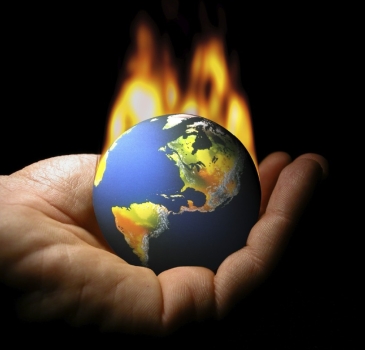
Global warming and climate change. They are some of the most highly contested issues in politics today. While the evidence supporting climate change is overwhelming, there are many who still believe it to be a conspiracy theory perpetrated by the radical left in order to kill capitalism, or something like that. The temperature of the earth has been rising rapidly since the age of industrialization began. With the new temperature differentials natural disasters have increased dramatically not only in rate but in strength. Many just cannot accept that there are penalties to their lifestyle, they do not want to give up all the luxuries they have to fix a problem they not only do not believe exists, but if it does will never affect them. That is the problem with our society.

But that is just my opinion on climate change. But the article I read was about how the theory of global warming impacts the way people view the weather and think about the weather. The different individuals who posted in regards to the prompt had many different opinions on how we view the weather. One man said that "One side uses the weather when it helps their view. Then the other side does the same." In his opinion, it doesn't matter what happens in regards to the weather, people will try to look at whatever happens differently to fit their viewpoint. This is for the most part true, people are always going to spin the circumstances in order to further their cause, and to justify themselves further. But what I do disagree with is that everyone can successfully soon everything. That's just not true. If you want to win the war you have to accept that you'll lose a few battles.


The second commenter had a similar opinion to the first. But while the first believed that people will purposefully spin the weather to their view, the second believed that many people look at the same situation in different ways, but come to the same opinion eventually. "Some will believe that unusually heavy snowfall is evidence of a cold spell because if had been warmer there would have been rain.Others will believe unusually heavy snowfall is evidence that temperatures are warmer than normal because colder temperatures would result in less water in the air and less snow. Thus, interpretations about the causes of heavy snowfall reveal mental models (i.e., explanations for how things work) about weather." People like to think they know about everything, but in reality they don't, and base their 'knowledge' on pure conjecture.

What it really comes down to are the facts. Regardless of how people want to spin the circumstances, it is undeniable that the world is warming up. We have created an intense greenhouse through our massive CO2 releases, and the more we drive our cars, burn coal, and run our factories, the worse the problem gets. Maybe by the time the icecaps finish melting we will have realized the situation we are in, but by then it will already be too late.


Sources:


Sunday, January 20, 2013

PA Ecology V

Seeing how it's cold outside and most animals that are normally out and about well, aren't, it was rather hard to find an animal for this week's blog entry. What I found this week was not unlike my previous ecology post, the squirrel. This week the only animal I could find in my backyard was the eastern chipmunk. It lives in primarily deciduous areas, as do most other chipmunk species, which populate most of North America. Its conservation status is least concern, meaning that with no unforeseeable changes to their lifestyle they will be around for years to come.

The eastern chipmunk has mostly reddish-brown fur on top with a lighter belly and dark short furry tail. Its fur is striped with dark and light stripes atop its regular coat. Eastern chipmunks are usually smaller then six inches long, less than 9 including the tail. Chipmunks normally weigh less than a pound. Eastern squirrels will have many litters of three to five pups every spring, while western chipmunks usually produce one litter per year.

Chipmunks make their burrows underground, with many different passages for food, refuse, living, and etc. While most of their diet is berries, leaves, and other plant matter, they will eat bird eggs, worms, and a frog occasionally if it is small enough.

Predators to the eastern chipmunk include dogs, snakes, raccoons, foxes, owls, coyotes, and cats, all of which like to eat squirrels as well. Like squirrels, chipmunks have ears that they can move independently in order to stay on high alert at all times in all directions. Chipmunk's escape their predators by either dashing into their burrows or up the nearest tree.

Not unlike squirrels, chipmunks play a small role in its community. But it is a role that matters still. For many predators they are a quick source of food. It may not be a keystone species but it lives in the keystone state, so that makes the eastern chipmunk important enough.

Sources:

http://www.fcps.edu/islandcreekes/ecology/eastern_gray_squirrel.htm

http://www.dnr.state.oh.us/tabid/6646/Default.aspx

http://www.blueplanetbiomes.org/eastern_chipmunk.htm

http://www.psu.edu/dept/nkbiology/naturetrail/speciespages/chipmunk.htm

http://www.wonderclub.com/Wildlife/mammals/easternchipmunk.htm

http://naturalhistory.uga.edu/~gmnh/gawildlife/index.php?page=speciespages/species_page&key=tstriatus

https://blogger.googleusercontent.com/img/b/R29vZ2xl/AVvXsEiahyAIkWwQoS6TetB9ykSOOSCE-CRmWsov0bi6Q_DtJ-iQJZ7W16q9Z6h9m67yDdH-z0WJO7iMJ6qmKzdCV6wPT3VTM_S0fxMlS3woZhZFp2wwS91mBQYaFjlI9PRv63GG-eauAMZsi_w/s400/Eastern+Chipmunk.jpg

Thursday, December 20, 2012

PA Ecology IV

When I went outside yesterday looking for an animal to do my blog on, I thought that all I was gonna find was going to be some kind of rabbit or a squirrel. And I was right, I only saw one squirrel! It was too fast for me to take a picture of it as it leaped through the tree, but this picture I found is nearly the same as what I saw. The eastern gray squirrel is a tree squirrel that lives in the eastern and midwestern United States (called simply gray squirrel in midwest). It is one of the most common of squirrels, with
a designation of least concern on its conservation status.

The eastern gray squirrel is mostly gray on top with a white belly and long bushy tail. Sometimes the coat will contain traces of brown in the top mixed into the gray, but this is semi-uncommon. They are typically between nine and twelve inches long without the tail. The tail adds between seven and ten inches to the total length. The eastern ground squirrel typically weighs half a kilogram.

It lives in trees and hoards food away there during the fall months to survive through the winter. They eat primarily nuts, bark, berries, and certain types of mushrooms. While they prefer to live in dense woodland, they can also thrive in suburban areas when enough trees are available. They prefer White Oak, American Beech, American Elm, and Red Maple to other trees. They build their nests of sort up high in the branches away from their predators, or which there are many, My dogs have killed probably six or seven squirrels in the past two years, and they aren't even the biggest threat.

Predators to the eastern gray squirrel include coyotes, foxes, cats, dogs, owls, raccoons, and snakes. They are very attentive and are always on the lookout for danger. Squirrels can dash up trees in the blink of the eye, allowing them to escape most of their pursuers.

While squirrels are not the most important members of their ecosystems, they still have a lot to offer to their communities. Every creature plays it's own role, the squirrel only eats certain plants and nuts within it's niche, allowing other animals to coexist with it.


Sources:


Sunday, December 9, 2012

Muckraking

Corruption is not new in Washington, every company on the planet has used some less than legal tactics to get lawmakers to support them. Bribery, soliciting votes, and fraud have all been used to increase the perks received by corporations from people in power. One of the largest industrial in the world is energy, with most of our energy coming from petroleum products. The American Petroleum Institute is an entity that represents the interests of Exxon, Shell, BP, and many other oil giants. They put the spin that they want people to believe on issues of huge importance, and they pay government officials to back them up. While they are not alone in these dirty practices, they sure do it a lot more than everyone else does.

The API pays officials and lobbyists such that their concerns are delegated more talking time, importance, whatever. API tells them what to say and how to say it. The APi says that oil is good for us, we aren't harming the environment, and that we'll have plenty for many decades to come. But none of that is true, they know it isn't true, but they spout it so they can keep filling their coffers regardless of the consequences to our health our planet and our future. Petroleum puts CO2, CO, and many other harmful chemicals into the atmosphere that decrease not only the lifespan of the average organsim, but of the earth as well. The average temperature of the earth has risen greatly over the past few decades, and will continue to do so unless we fix the problem. That problem is perpetuated by a society based entirely on wealth that allows companies like API to do something they shouldn't be able to do: further themselves at the cost of bringing irreparable harm to others.

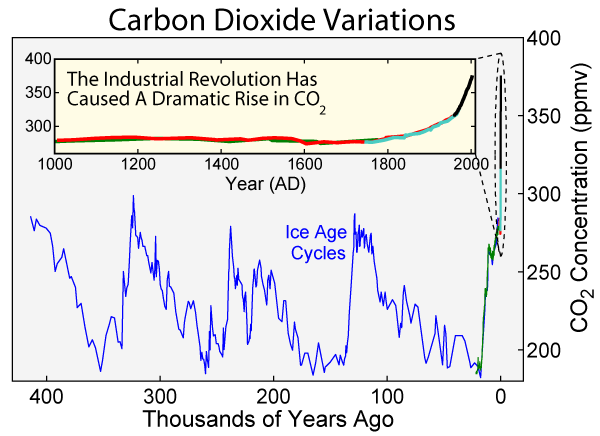
Carbon dioxide is a greenhouse gas that causes more sunlight to be trapped within the atmosphere, causing the temperature to rise. As this graph shows, the industrial revolution and continued abuse of fossil fuels has exponentially increased the concentration of CO2 in our atmosphere to levels that have been untouched for at least the last 400, THOUSAND, years. That is a very long time. This increase in temperature causes dramatic shifts in climate across the earth, and will result in mass flooding and huge changes in what can be grown where, and what can live where as well. Entire ecosystems will be tossed around, leaving little left to survive. While we can just throw on the A/C and use filters to keep out the toxins produced by burning petroleum, we will be unable to save most livestock and nearly all edible plant life. That is the future we are heading to if we do not quell our use of fossil fuels.

The API knows all of this will happen, but they figure that if they have all the money, they'll be able to perpetuate their own existences long past ours, as we're the dumb consumer who gave them all the money just so they could kill us. We give them money, they buy parts of the government, they can then pollute more legally, and by that point we have to refill our tanks. It's good business, they know exactly what they have to do to make money. They're missing one thing though: we can't buy their product if we're all dead. It is in the API's best interest to invest in alternative energy, to continue their monopoly on energy. Why they don't I have no clue, but they better figure out what they're going to do before we've lost our environment and can never get any of it back.


Sources:


Sunday, November 18, 2012

Viewpoint - Arctic Sea Ice Decline

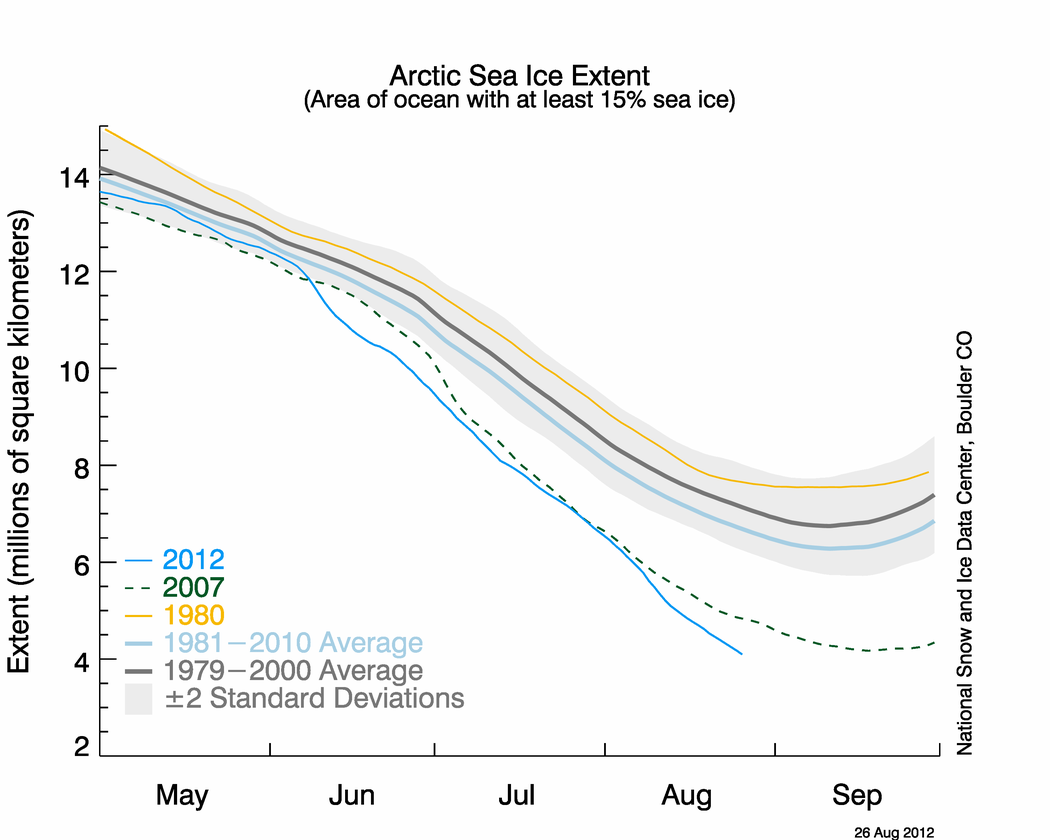
          The sea ice of the arctic ocean has been receding over time, and this year set a new minimum for square miles of total ice. Not only is the surface area of the ice smaller, but it is also thinner making it even more susceptible to changes in temperature. This article provides wonderful evidence for climate change, and while some do not believe in the scientific findings herein I find it impossible to ignore. If we choose to not heed the warnings granted to us by nature, we will be unable to reverse our polluting ways in time for us to 'save' the dwindling sea ice.
          This is not a new phenomenon, the past six years have been the top six record holders for least amount of arctic sea ice. This is not something that happened all at once, we built up to this. The graph referenced to in the nature.com article shows the trend we have created. The ice has slowly but surely been shrinking in size not only at its minimum, but at its maximum as well. This means that not only are we hotter on average than we used to be, but we also have a bigger degree difference between the seasons than we had before: the gap has gotten larger and has been shifted upwards.
          Somehow people can still deny this information. With superstorm Sandy only hitting us three weeks ago, for people to say that climate change did not play a role in its immense scope and power is incredible. But America is accustomed to science denialists, and it is important to understand that some people make their living on causing controversy by denying science and scientific impacts. Some people have other beliefs, such as religion, that cause them to null and void facts that go against their most cherished thoughts. While everyone is entitled to their own beliefs, they are not entitled to their own facts. When we create walls against facts and those walls begin to impact how we as a nation address issues of national importance, there is a problem.
          This article shows how blind we seem to others around the world, and that is very scary when the most powerful country on earth will not acknowledge an issue that affects everyone on earth. We make up five percent of the global population, but our actions impact one hundred percent of the total life on earth, of which the human race is an even smaller segment (0.1% of total biomass on Earth (and the Universe for all we know) is humans). I invite anyone who happens to read my blog to comment on climate change. I do not mind views on either end of the spectrum, talking politics and large issues is something I like to do for fun, I guess I'm kind of a junkie that way.


Sources: